Why nicotine pouch strength can feel different between users
Nicotine pouch strengths look simple on a label. A number suggests a clear level, and two pouches with the same figure can appear to be alike. In practice, the strength printed on a tin is only part of what a person notices. Nicotine is absorbed through the lining of the mouth, and the pace of that absorption can vary from one product to another and from one user to another.
This does not mean the label is useless. It means the number is a starting point, not a full description of the experience.Understanding that difference can make it easier to compare products calmly and to avoid assuming that one person's reaction will match another's.
What the strength number usually means
Most nicotine pouch labels show the amount of nicotine in each pouch, often expressed in milligrams. That figure describes how much nicotine is contained in the pouch. It does not, on its own, say exactly how much enters the body or how quickly that happens.
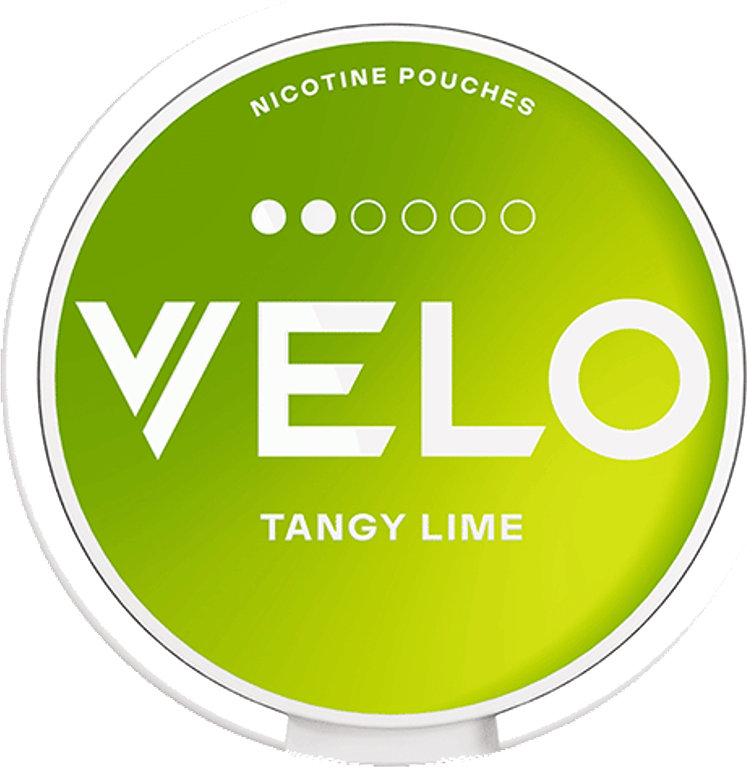
Two pouches with the same nicotine content may use different fibres, moisture levels, flavourings and release methods. Those details affect how nicotine leaves the pouch and reaches the mouth lining. A drier pouch may release nicotine at a different pace from a moist one. A tighter pouch may feel less noticeable at first, while a looser one may release more quickly. The result is that equal numbers on a label can still produce different sensations.
There is also a distinction between nicotine content and nicotine strength as people use the term. A shop may group products by milligram strength because that is easy to compare. A user may describe a pouch as "strong" because it feels sharp, long lasting or steady. Both descriptions can be reasonable, but they are not measuring the same thing.

Why two people can feel the same pouch differently
Tolerance is one of the biggest reasons. Someone who uses nicotine regularly may notice little from a pouch that feels firm to a person who uses it rarely. The body adapts to repeated nicotine exposure, so the same amount can produce a quieter response over time. This can lead a person to move up in strength, sometimes without pausing to consider other factors such as pouch size, time of day or how long the pouch is kept in place.
Body weight, metabolism, sleep, food, drink and general routine can also shape the experience. Nicotine absorption in the mouth depends on the surface it contacts and the conditions there. A dry mouth may feel less comfortable and may change how a pouch sits. Drinking or eating around the same time can alter the way a pouch feels. Even the place where the pouch is held between the lip and gum can make the sensation seem stronger or milder.
Sensitivity is not fixed. A person may find a pouch noticeable during a stressful day and barely register it when distracted. That does not mean the pouch changed. It means perception changed. For this reason, one isolated experience is a weak basis for judging a whole strength range.
Age and product type matter too. Nicotine pouches are intended for adults aged 18 and over. They are not tobacco leaf products, but they still contain nicotine, which is addictive. Adults who are new to nicotine often find that lower strengths feel more manageable, while experienced users may be looking for a steadier effect. Neither approach is universally right.
The role of flavour and pouch format
Flavour can make strength feel different even when the nicotine figure is unchanged. Mint, fruit and other flavours can create a cooling or tingling sensation that the brain may read as intensity. A strong cooling effect can make a moderate pouch seem more forceful. A mild flavour may make a similar pouch seem softer, even if the nicotine content is the same.
Pouch size and shape also affect comfort. A larger pouch covers more area, which may spread the sensation. A smaller pouch may feel more focused. Some people prefer a slim format because it sits neatly under the lip. Others find that a slim pouch is easier to forget, then wonder why the effect feels gradual. The physical fit is not a minor detail, it shapes how the pouch performs in the mouth.
Moisture is another practical factor. A pouch that feels dry at first may take longer to become comfortable. A pouch that feels juicy may create a quicker initial impression, though the nicotine level may still be the same. This is why flavour and format deserve attention when comparing nicotine pouch strengths, especially when a product seems stronger or weaker than the label suggests.
Reading labels without overreading them
A helpful approach is to separate three things: nicotine per pouch, pouch characteristics and personal response. The first is printed clearly. The second can be described by the product format and flavour. The third belongs to the individual. When those three are kept apart, comparisons become less confusing.
For example, a person moving from one brand to another may notice a change even when the milligram figure matches. That change could come from a different pouch texture, a different flavour profile or a different release pace. It is tempting to blame the strength number alone, but the full product design is involved. Nic Pouch uk sits in a market where products are organised by strength and flavour, so both details are useful when making a comparison.
An adult retailer such as nicpouch.uk.com can present products by strength and flavour, which helps readers see the range in an organised way. That kind of structure is practical, yet it should not be mistaken for a promise that every pouch at one strength will feel identical. Labels help with selection, not prediction.
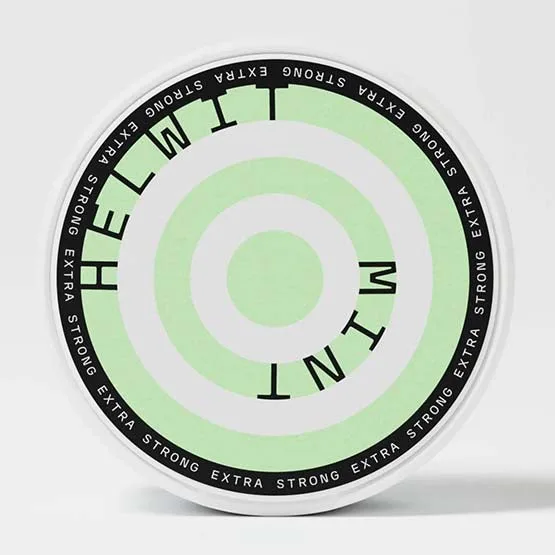
Another point is that "extra strong" and similar terms are marketing language as much as technical description. They can signal position within a range, but they do not replace the printed nicotine amount. A product name may sound dramatic while the per pouch figure is moderate. A quieter name may still contain a meaningful amount of nicotine. The number is the clearer reference point.
How to compare strengths sensibly
Start with the printed nicotine amount per pouch, then look at flavour and format. If two products have the same figure but different pouch designs, treat them as related rather than identical. If a product feels stronger than expected, consider the flavour intensity and the pouch moisture before deciding that the strength label is wrong.
It also helps to give each change time. Switching from a lower strength to a much higher one can make the next comparison harder to judge. Small changes are easier to understand than large jumps. Taking a pause between products can also make the next impression clearer, though nicotine dependence should not be managed by guesswork alone. Adults who are concerned about nicotine intake or who want to reduce it should seek appropriate advice.
Keeping notes can be useful without turning the process into a ritual. A simple record of product name, nicotine amount, flavour, pouch format and general impression can reveal patterns. Over time, a person may notice that they prefer certain formats at certain strengths, or that a cooling flavour feels more intense than a sweet one. That is more informative than a single label comparison.
What this means for adult users
Nicotine pouch strengths are best understood as a framework rather than a guarantee. The amount of nicotine in a pouch matters, but so do the pouch design, flavour, moisture, fit and the user's own tolerance and routine. That is why two adults can describe the same product in different ways and both be sincere.
Nic Pouch uk is one example of a name within the wider nicotine pouch market, where products from many brands can be viewed by strength and flavour. For readers, the practical lesson is to look past the headline number. Read the label, note the format, and treat personal response as part of the picture. Nicotine is addictive, so nicotine pouches are for adults aged 18 and over, and changes in use should be handled with care rather than impulse.